
Sustainability usually walks into a mid-sized Indian factory carrying a questionnaire. An OEM customer, or an overseas buyer, asks for energy consumed per unit produced and a number for emissions, and gives you six weeks. Nobody in the plant has ever been asked for either figure, and the contract renewal is attached to the answer.
That is how it began for a textile-processing unit in Surat exporting to two European buyers. The useful part is that the work of answering the questionnaire, measuring what each line draws, is the same work that cuts a bill which had grown into the second-largest line item after raw material. The compliance forces it and the savings pay for it.
Where should an Indian factory start with sustainability?
Step one: measure before you spend
Before a single solar panel went up, they metered their major loads for a month. It turned out two old motors and a compressor nobody switched off at night were responsible for a startling share of the consumption. Some of the biggest savings cost nothing more than a change of habit. It's the energy version of making the invisible visible.
Step two: rooftop solar that pays for itself
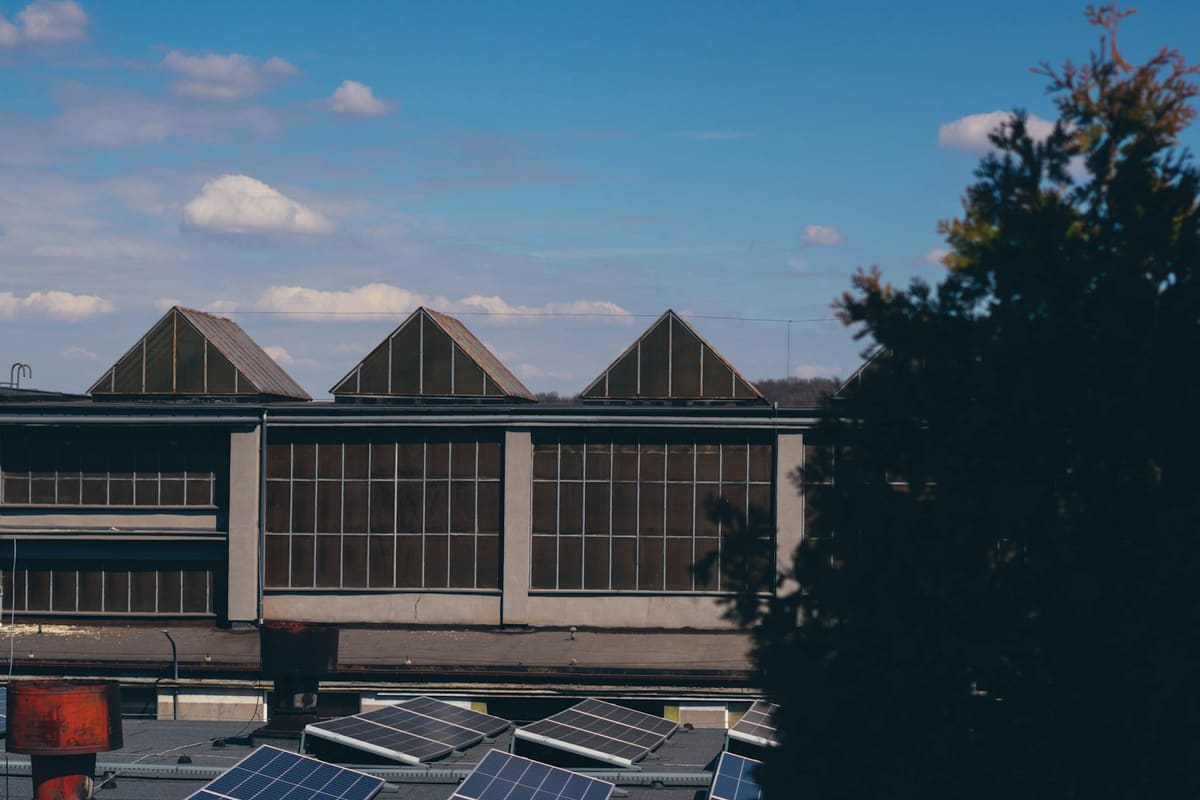
With consumption understood, sizing the rooftop solar was a straightforward decision rather than a leap of faith. They covered roughly 40% of their daytime load, and since manufacturing happens in daylight, that generation lined up neatly with when they actually used the power.
The part that surprised them
Customers started asking. A couple of their larger buyers, themselves under pressure from their overseas clients, wanted suppliers who could show lower-carbon production. What began as a cost decision turned into a sales pitch, the kind of ESG story that wins orders instead of just applause.
"I put up solar to stop my power bill bleeding me dry. Didn't expect it to land me a contract."Textile-processing owner, Surat
The pragmatic order of operations
Sustainable manufacturing doesn't have to start with a grand strategy. Meter your loads, kill the obvious waste (the material kind too, as in controlling raw-material wastage), move to efficient motors and lighting, then size renewables to what you genuinely consume. Each step pays for the next, and the lower emissions come as a bonus.
In textiles the energy question sits next to lot and shade tracking and the material going out to processors, and the same records answer all three. We have set that out on our textile and garment page. If a buyer has sent you a questionnaire and given you six weeks, talk to our team.