
A steel fabricator in Rajkot was sure his margins were thin because of pricing pressure. Customers squeezing him, competition everywhere, the usual story. Then he weighed his scrap for a month, and the real culprit turned out to be sitting in his own scrap bins.
His material waste was running near 8%. On the volume he bought, that came to lakhs of rupees a month turning into offcuts and rejects he then sold back as scrap for a fraction of the price. It had never registered as a problem because it had never been a number.
How do you track raw material waste on a shop floor?
Why scrap hides
Material waste rarely shows up as one obvious event. It's a slightly wrong cutting plan here, an over-issue from stores there, a rejected batch that gets remade without a word. Each one is small. None of them get tracked. So the loss lives in the gap between material bought and material shipped, and nobody thinks to look in that gap.
What he started measuring
Three simple things: material issued per job, finished weight shipped, and scrap generated. The difference is your true yield. Once every job carried those numbers, the bad cutting plans and the over-issuing patterns were impossible to miss. Yield belongs on the same dashboard as the other numbers that decide your week.
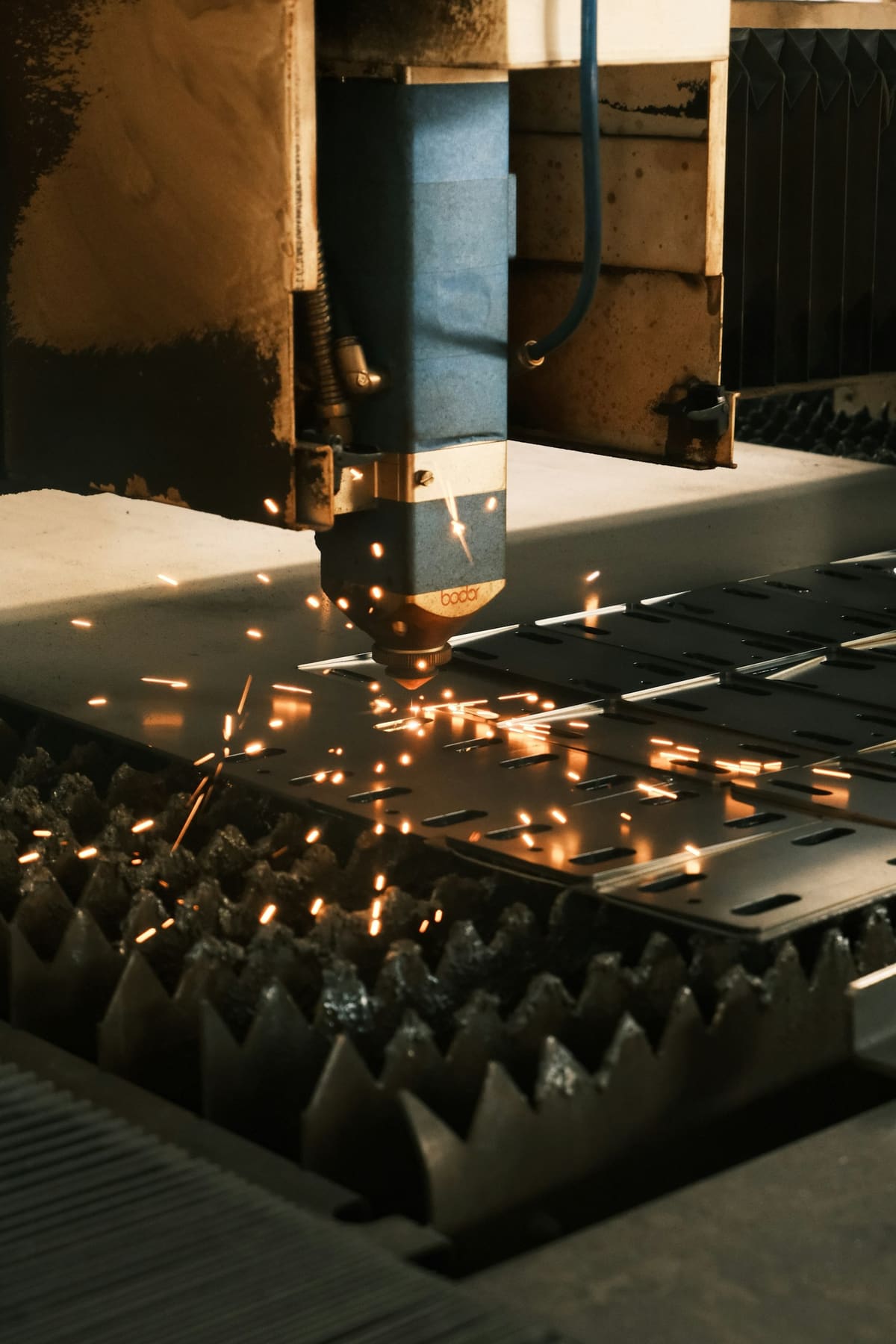
Better nesting of cuts recovered the most. Holding operators to a yield number per job recovered the rest. None of it needed new machines, just the discipline of measuring what went in against what came out.
"I was blaming the market for margins I was throwing in the scrap bin myself."A steel fabricator, Rajkot
Start this week
Pick your highest-volume material. For two weeks, record what's issued and what ships per job. The yield number will tell you, in rupees, exactly how big your leak is. In most fabrication units this is the fastest margin you'll ever find, because you already paid for it.
Measured on a real fabrication floor, this is what it looked like: MS plate utilisation went from 78% to 86% once cutting was booked against jobs.
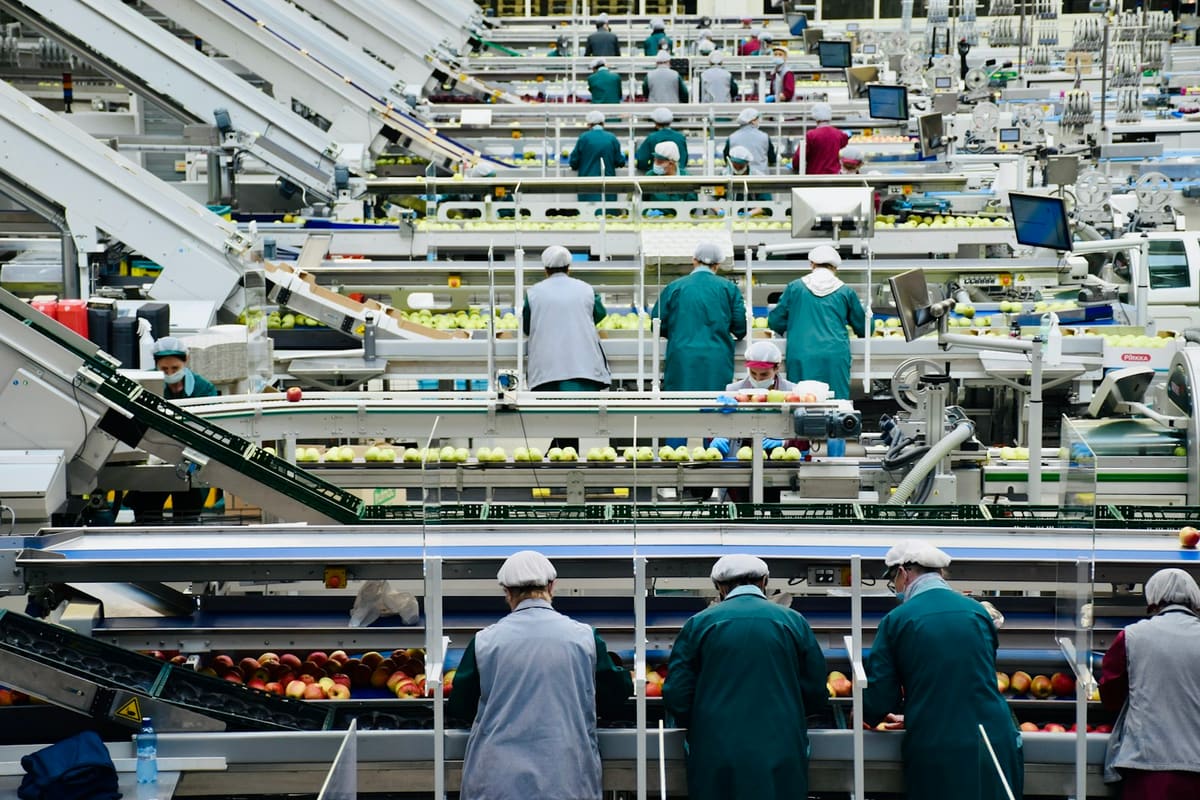
Yield against a genuinely variable input is its own problem: in food processing the same line gives different output from a different lot, which means a supplier issue can look like a production issue. That version is on our food processing page. To get yield measured per batch on your own floor, talk to our team.