Ask a factory owner what "digital transformation" means and you'll usually get a polite shrug. It's a phrase consultants love and shop floors tune out. So I'll skip the theory and tell you about a second-generation owner who runs a pump-component unit in Coimbatore.
He inherited a profitable business and a filing cabinet full of problems. Production ran on a wall diary, three WhatsApp groups, and the memory of one very loyal supervisor. When that supervisor took leave, the floor more or less lost track of what it was building. You've probably seen a version of this.
What does digital transformation mean on a factory floor?
What "digital" changed on his floor
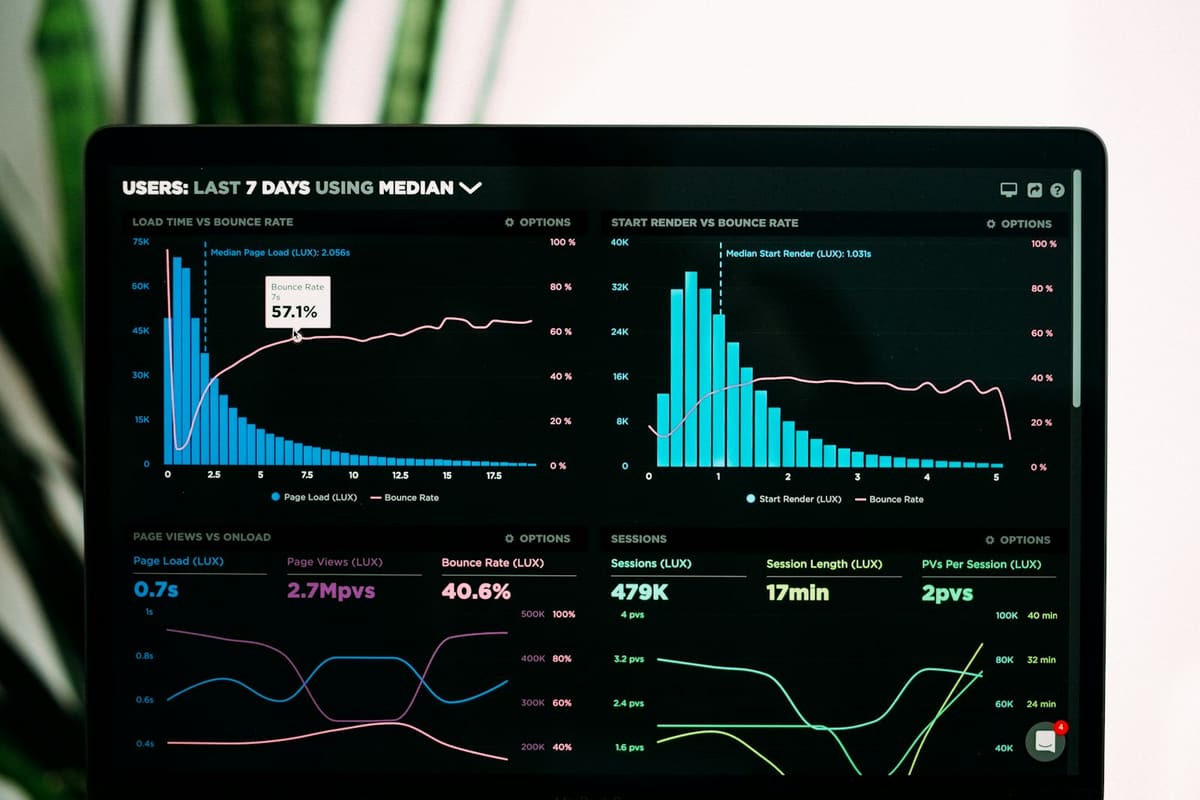
He didn't buy robots. He started somewhere far less glamorous: getting what everyone already knew out of their heads and onto a screen. Cheap sensors on the older machines, a shared display showing live job status, and one rule, that every machine stoppage gets logged with a reason. Within a quarter, patterns that had been hiding in people's heads were sitting on a dashboard.
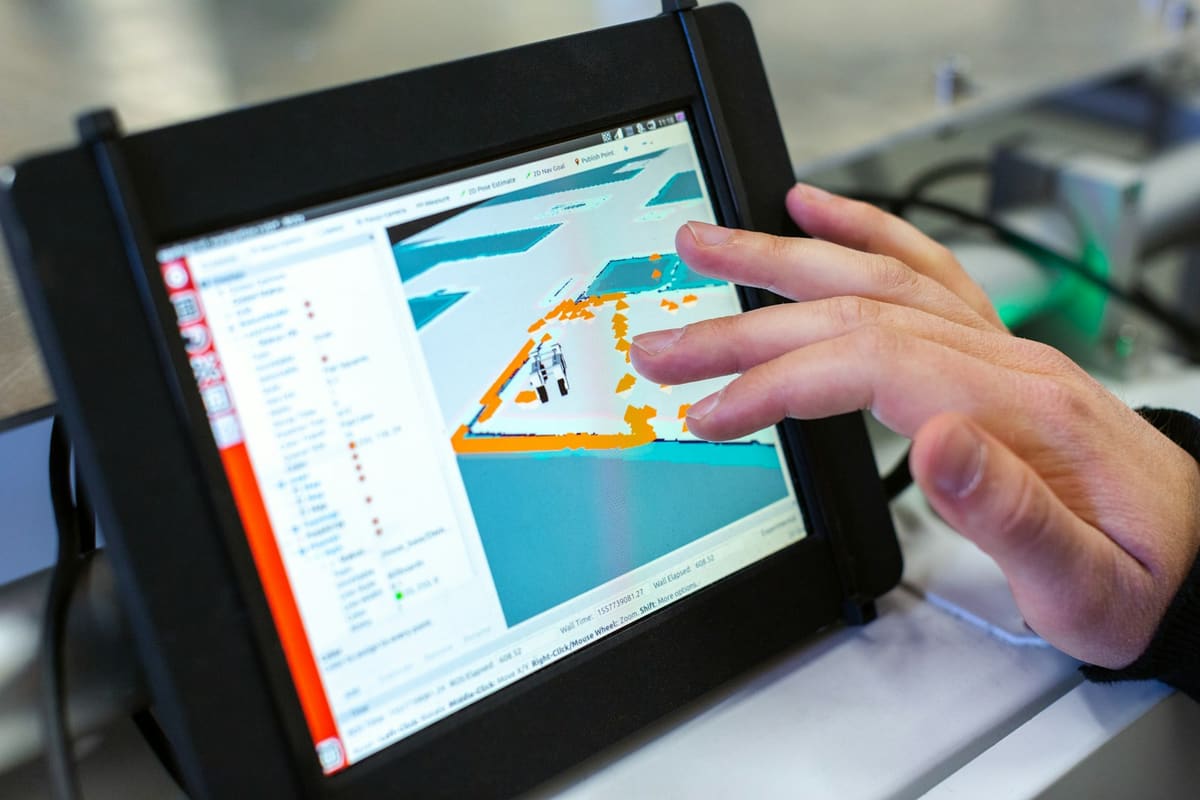
The first thing the data exposed was downtime. Not the big breakdowns everyone could already recall. The quiet ten-minute stops: waiting for material, waiting for an instruction, waiting for someone to find the right die. Added up over a month, those small waits ate a full shift. Putting a hard number on that loss is exactly what measuring and improving OEE is built for.
Visibility beats automation
This is the part most Industry 4.0 pitches get backwards. You don't need a smart factory to begin. You need to be able to answer three questions at any moment: what is each machine doing right now, what is it supposed to be doing, and where's the gap. Once you can, IoT and predictive maintenance stop being slogans and start looking like obvious next steps. Answer those three, and you're already most of the way to the five numbers every factory owner should track.
Then maintenance got smarter
Once machines were logging their own runtime, his team could stop maintaining on a calendar and start maintaining on real usage. A bearing that used to fail "sometime around Diwali" began flagging itself two weeks out. Breakdowns turned into scheduled jobs.
"I thought going digital meant spending a crore. Turned out it just meant being able to see my own factory for once."Second-generation pump-component owner, Coimbatore
Where to begin
If you run a mid-sized plant and the word "transformation" makes you tired, start small. Pick one line. Log every stop for two weeks. You'll be surprised at what turns up, and that surprise is the cheapest, most honest business case for going digital you'll ever get.
Where to start depends on what you make. We have set out what gets configured first for each sector on our solutions pages.