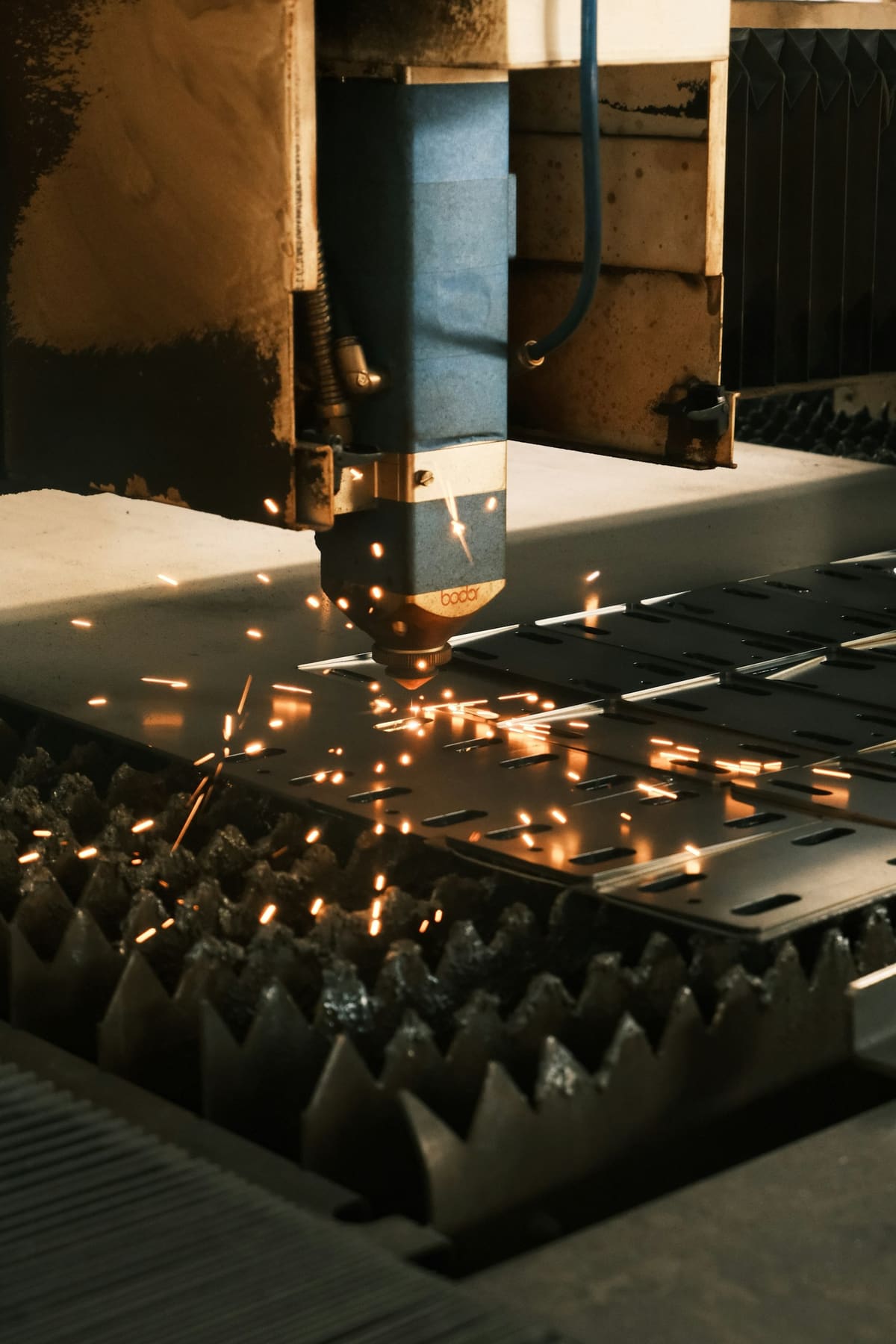
Every morning at a sheet-metal unit in Rajkot started the same way: the owner and the production head standing over a tray of paper job cards, trying to piece together what had actually happened the day before. Half the cards were smudged. Two were missing. One job had been "almost done" for a week.
This is the quiet tax of running a floor on paper. It's never one big failure. It's a hundred small uncertainties that add up to a business nobody can fully see. They didn't need to automate the machines. They needed to digitize the information.
How do you move from paper job cards to digital ones?
The mistake most plants make first
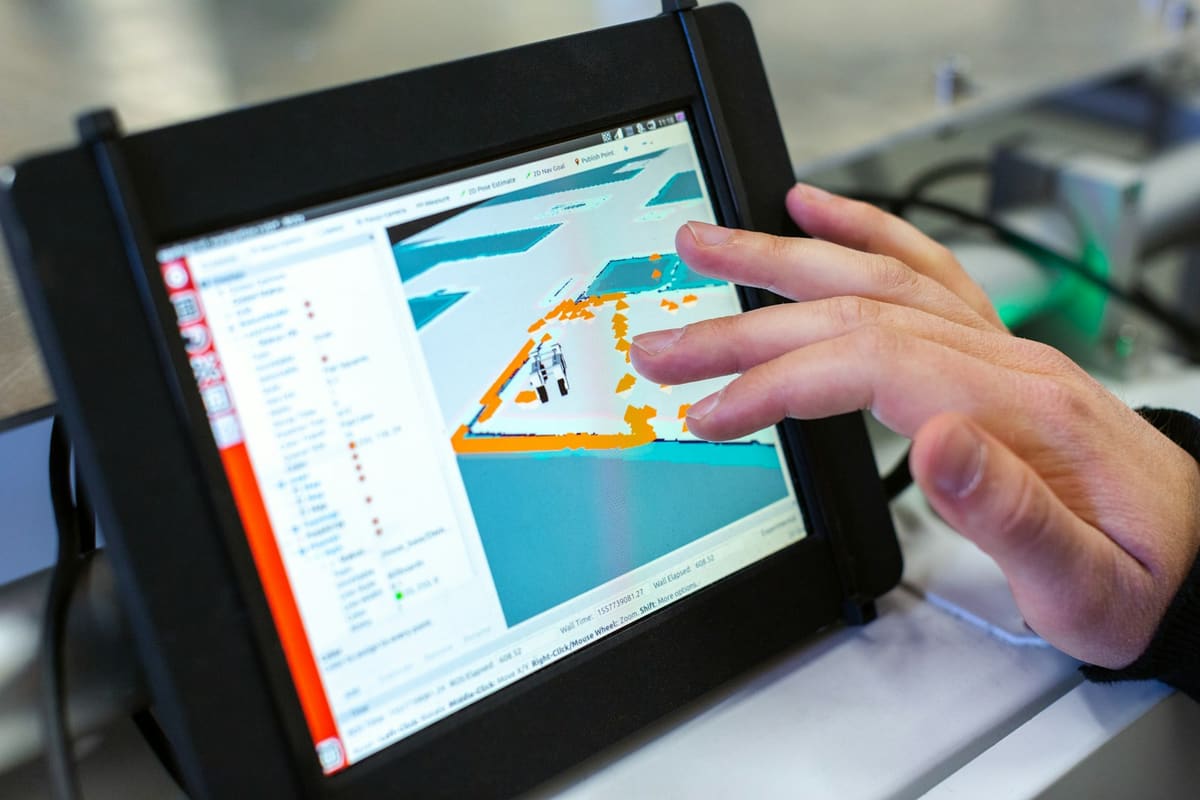
They try to change everything at once, the floor pushes back, and the new system is dead by week three. This plant did the opposite. They picked one cell, put a rugged tablet at each station, and replaced exactly one thing: the paper job card.
How the rollout went
Operators tapped to start a job and tapped to finish it. That was the whole of day one. No dashboards to learn, no forms to fill in. Because the change was so small, people picked it up fast, and once the office could see live status from that one cell, everyone else wanted in.
What live status unlocked
The morning scramble vanished because the answer was already up on a screen. Bottlenecks showed up the moment they formed, not at month-end. Once those start and stop taps were being captured, the same data fed straight into measuring OEE and cutting machine downtime. And when a customer rang to ask where their order was, the production head could answer in ten seconds instead of ten minutes.
"We didn't go paperless to look modern. We did it so I could stop starting every morning as a detective."Sheet-metal production head, Rajkot
A sane sequence for going digital
Start with one cell. Replace one paper artefact. Prove it for two weeks. Then let the floor's own curiosity pull the rest of the rollout along. Production digitization falls apart when it's imposed top-down, and it sticks when operators feel it making their day easier rather than their reporting heavier. One owner walks through that whole shift in his own account of going digital.
Where one job occupies a machine for weeks rather than hours, the card has to record a named pending step instead of a percentage, which we have set out on our stone processing page. To see a digital job card against your own process, talk to our team.