I'll tell you how my factory ran two years ago, and you'll probably recognise it. A wall diary for production. Three WhatsApp groups for anything "urgent". A dispatch register only one person could read. And me, holding the whole thing together with memory and worry.
From the outside we looked fine. Orders coming in, trucks going out. Inside, I couldn't have told you our true on-time rate, our real scrap cost, or which orders made money. I was the system. And a business that runs on one tired person's memory is one sick day away from chaos.
What changes when a factory digitizes production?
The week I admitted it wasn't working
We shipped a large order three days late because a job had stalled and nobody told me until it was too late. The information was there. It was just trapped on a card sitting on a bench. That night I stopped promising myself we'd "fix the process later". Later had shown up.
Month one: just make it visible
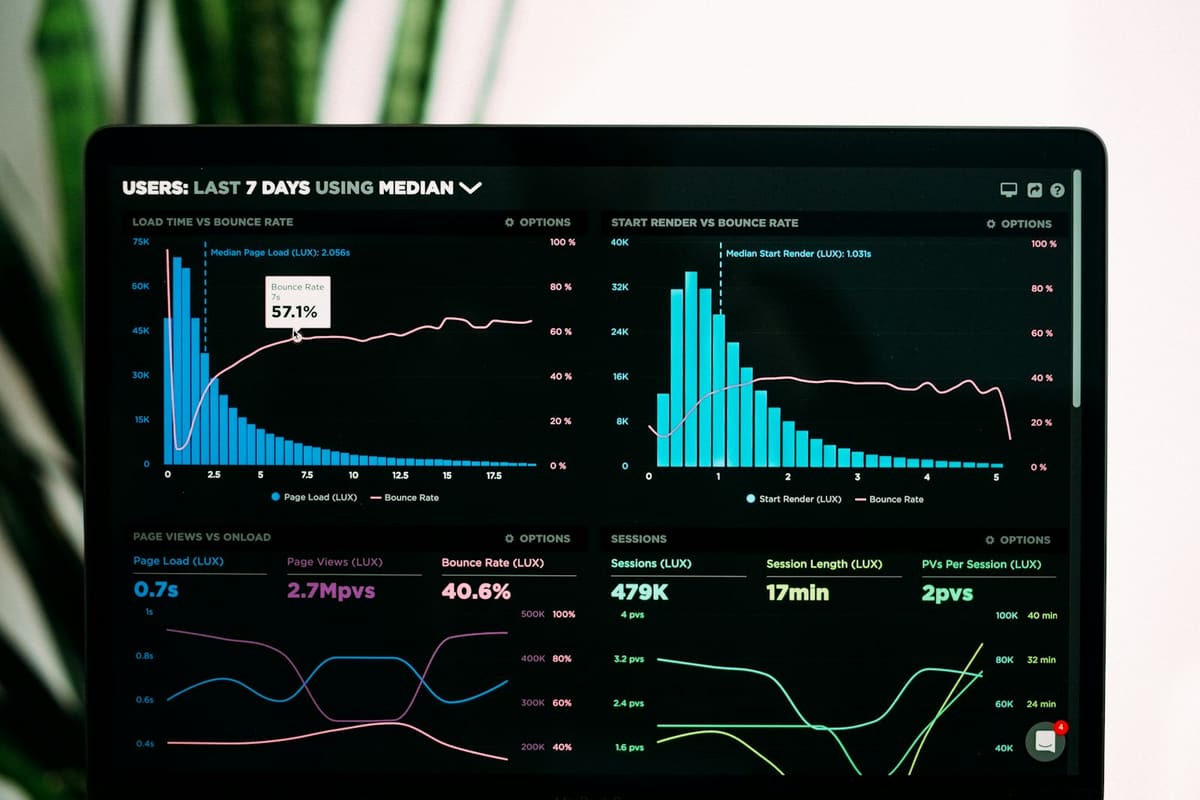
We didn't try to fix everything at once. We put production status up on a screen and started logging jobs as they moved. That first dashboard was almost embarrassingly basic, just five numbers. But for the first time, someone other than me could see the factory.
Months two to four: the knot loosens
Bit by bit, the firefighting turned into planning. My supervisors stopped coming to me for answers the screen already had. I took my first proper holiday in years and the factory didn't fall apart. That, more than any number, is when I knew it had worked.
"I had no idea how much of the business was living in my head until I finally got it onto a screen and could breathe again."A manufacturing owner, two years in
If you're where I was
You don't need the perfect system or a big budget. You need to get the business out of your head and onto a screen your team can share. Start with whatever hurts most. The relief of finally seeing your own factory is worth more than I can fit in a blog post.
What this looks like module by module, and how it differs by what you make, is set out sector by sector on our solutions pages.