
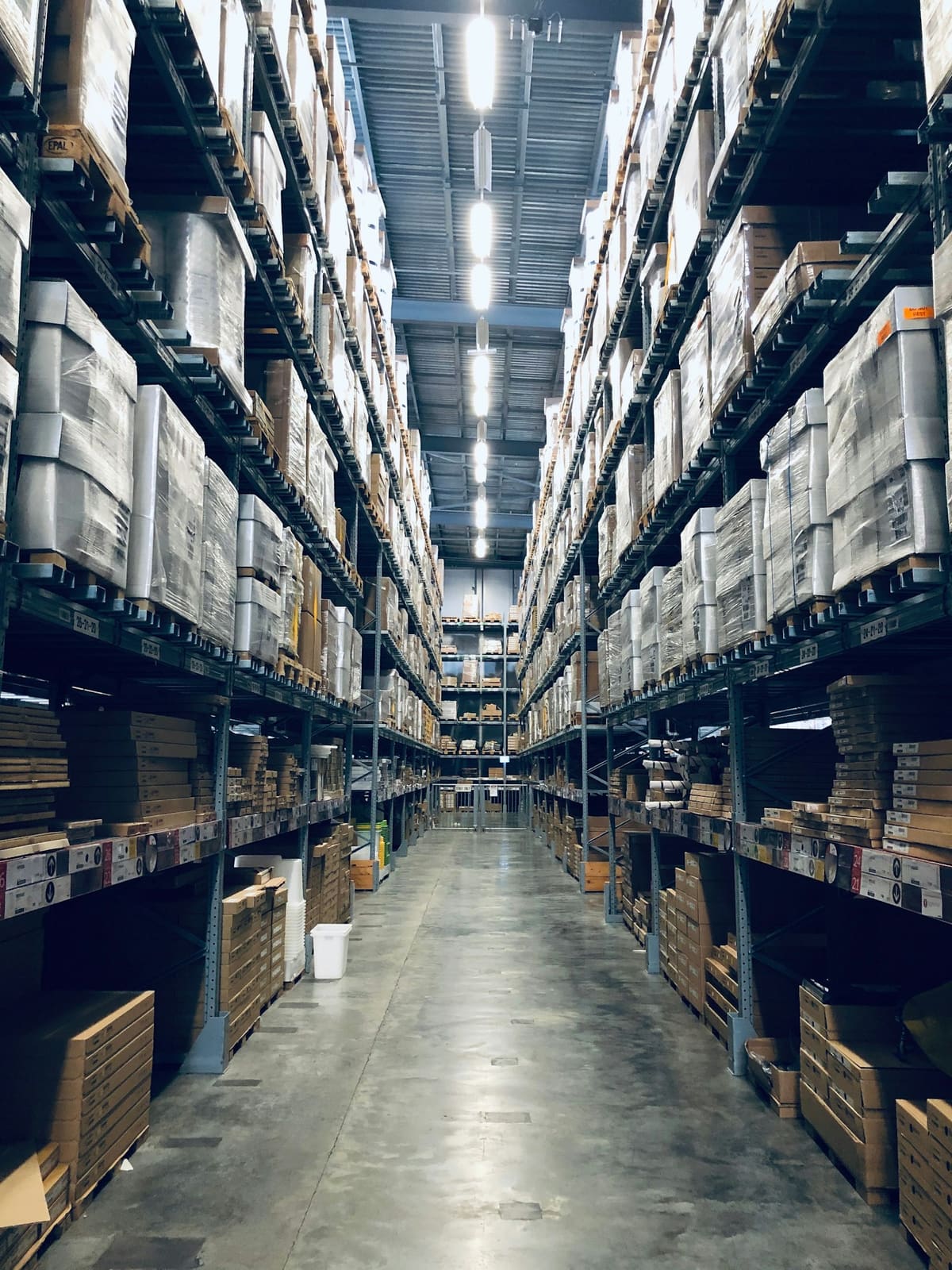
A fastener manufacturer in Ludhiana ran out of a single grade of wire rod on a Tuesday morning. Not an exotic input, the most common one he used. Two machines sat idle for a day and a half, a dispatch slipped, and a steady customer started asking questions. When we looked into it, nothing had gone wrong with the supplier. The order had simply never been placed, because the person who "knew" the stock was low was on leave.
That's a stockout, and almost every mid-sized plant lives with a version of it. The frustrating part is that it's one of the most preventable problems in a factory. Reorder-level automation removes the human memory from the equation, so the system raises the flag before the rack runs dry, every time, whether anyone's watching or not.
What is reorder-level automation?
The reorder point formula, in plain terms
The whole thing rests on one calculation. Your reorder point is:
Reorder point = (average daily usage × lead time in days) + safety stock
Lead time is how long your supplier actually takes, not what they promise. Safety stock is the cushion that covers a late delivery or a sudden spike in demand. Get those two honest and the formula does the rest.
The Ludhiana example, with real numbers
Take the wire rod that caused the trouble:
- Average daily usage: 500 kg
- Supplier lead time: 12 days (the real average, including the two days it usually slipped)
- Safety stock: 1,500 kg (three days' cushion)
Reorder point = (500 × 12) + 1,500 = 7,500 kg. So the moment that wire rod drops to 7,500 kg, a purchase order should go out. Before, the owner reordered "when it looked low", which floated somewhere between 3,000 and 11,000 kg depending on who was looking. That swing is exactly what causes both stockouts and the opposite problem: cash tied up in stock he didn't need yet.

Why stockouts cost more than they look
The day-and-a-half of idle machines was the visible cost. The real bill runs deeper. Idle operators still drew wages. The delayed dispatch pushed a GST invoice into the next cycle, which dented that month's cash flow. And the customer who had to chase his order quietly started keeping a second supplier warm. None of that showed up as a line item, which is why stockouts get tolerated for years.
The working-capital upside nobody mentions
Material sitting at a job worker is the stock most plants forget to count. Tracking job work properly covers what leaves the gate and what comes back.
Preventing stockouts is the obvious win. The quieter one is cash. When you reorder by guesswork, you overbuy the items you're nervous about and underbuy the rest. Tightening the reorder point on his top 20 items let the Ludhiana owner cut about ₹14 lakh of excess raw stock over a quarter while having fewer stockouts, not more. That freed cash went straight back into working capital, which is the same lever we discuss in fixing your manufacturing cash flow and receivables.
"I used to think keeping the racks full was playing it safe. It just meant my money was sitting as steel instead of working. The trigger does a better job than my worrying did."Fastener manufacturer, Ludhiana
Getting started without boiling the whole catalogue
You don't need a reorder point on all 2,000 items on day one. Start with the 20 to 30 inputs that, if they run out, stop a machine. Set an honest reorder point on each using the formula, let the software watch them, and widen the net once it's earning trust. This sits naturally alongside the broader habits in smarter inventory management with the right technology.
Turning these five into a pack the board reads rather than files is its own problem, covered in building a production MIS for the board.
Which of these matters most shifts with size. What changes when a factory crosses 100 crore covers the point where the owner stops being able to hold the plant in his head.
Facto tracks live stock against a reorder point for every item and raises the flag (or the purchase order) automatically, so a person being on leave never costs you a dispatch again. If you want to set this up for your critical inputs, talk to our team and we'll map it to your usage.