A packaging manufacturer in Noida, ₹95 crore, three shifts, 340 people on site on a normal day. About 120 of those come through two labour contractors, and that is where payroll day used to turn into an argument. Biometric had been in for years and covered the permanent staff properly. What it did not cover was whether the contractor's monthly bill matched the people who had actually been on the floor.
When they finally added it up, the gap between hours worked and hours billed came to a serious number every month. Not from fraud, mostly. From rounding, from a headcount agreed verbally at the gate, from overtime nobody could verify, from plain honest confusion.
What does manual attendance cost a factory?
Why a register can't keep up
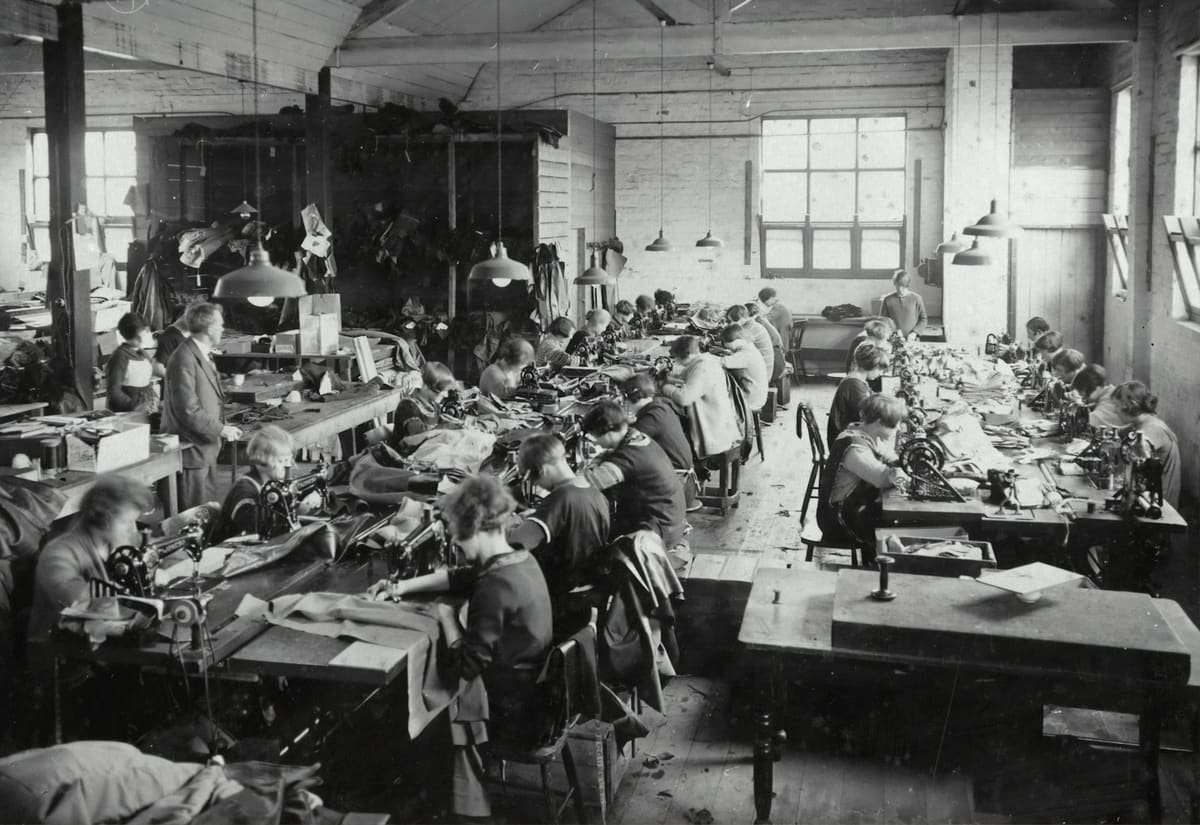
A paper muster on a large, shift-based floor is asking for trouble. Entries get written up from memory at the end of the day. A friend signs in for a colleague who's late. Overtime gets approved verbally and recorded vaguely. None of it is dramatic, and all of it leaks.
What changed it
Biometric punch-in at the gate, wired straight to payroll. Hours were now captured at the source, overtime needed a real approval against real clock data, and the monthly argument had nothing left to argue about. The register stopped being a negotiation. Tying attendance to payroll is one of the things Facto handles end to end.
The unexpected benefit
The workers liked it more than management expected. Accurate clock data meant the people who genuinely worked late finally got paid for every minute, no debate. Fairness cut both ways, and trust on the floor went up rather than down.
If you want to check what one of those late shifts should come to, our sister product for smaller teams has an overtime calculator that works it out at the legal double rate, on the same payroll engine Facto uses.
"I thought our payroll problem was discipline. It was data. The register was lying to all of us equally."A packaging-unit owner, Noida