A pump manufacturer in Coimbatore told me, only half-joking, that he was tired of being sold "AI" by people who'd never set foot on a shop floor. He didn't want a humanoid robot. He wanted to stop over-producing his slow models and under-producing the fast ones. In 2026, that boring-sounding wish is exactly where AI earns its money.
The headlines are about machines replacing people. In a mid-sized Indian factory the reality is far less dramatic and a lot more useful: AI making the calls you already make, but with more memory and less guesswork behind them.
What AI actually works in an Indian factory in 2026?
1. Demand forecasting that pays for itself
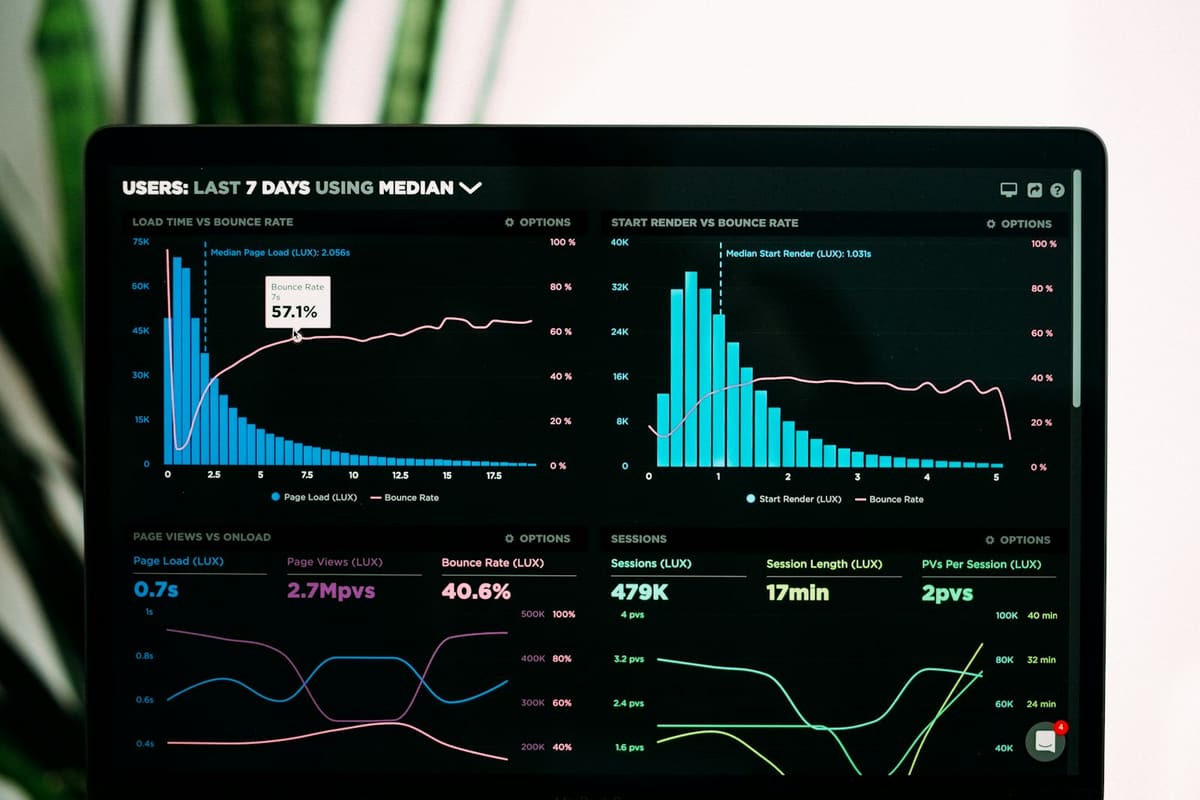
His biggest win was the least glamorous one. Feeding three years of order history into a forecasting model gave him a much better read on which SKUs would move next month. He stopped tying up cash in slow stock and stopped scrambling on the fast movers. A better forecast only pays off if your stock control can act on it.
2. Machine vision for quality checks
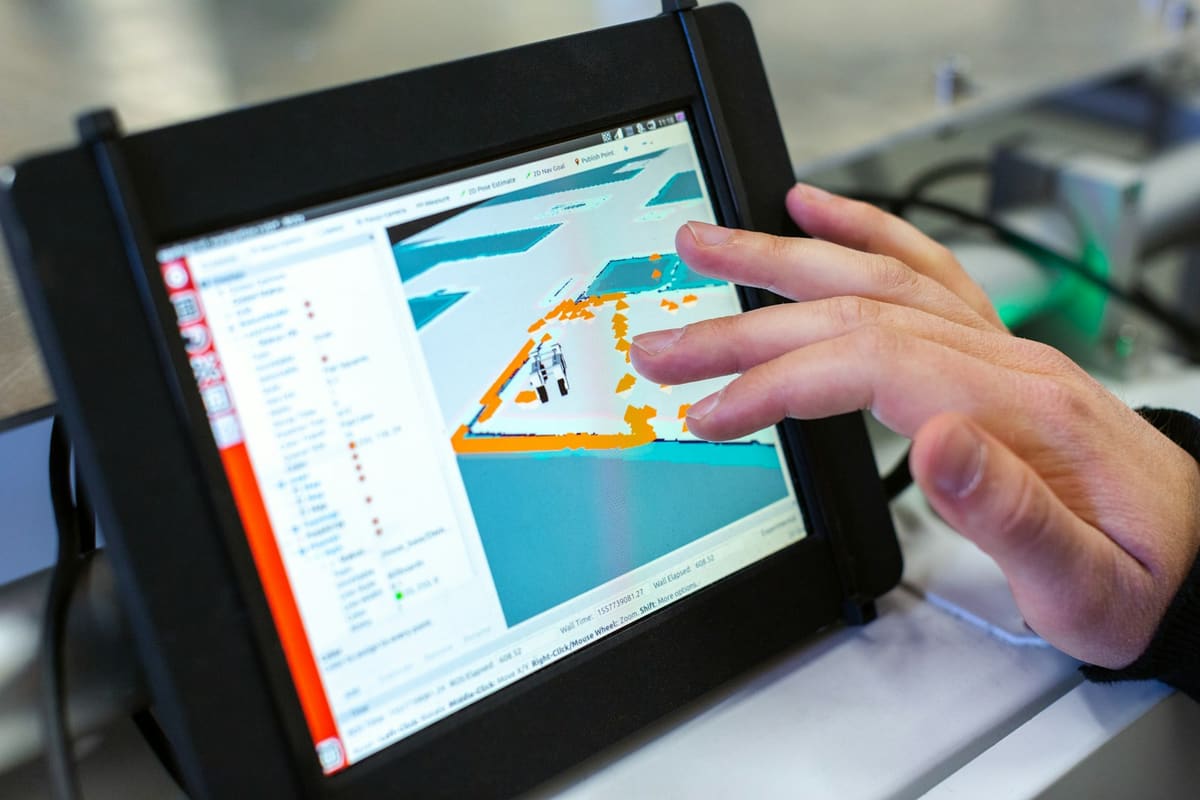
A camera and a trained model now catch surface defects on his castings faster and more consistently than a tired eye at the end of a long shift. It doesn't replace his inspector. It lets the inspector spend his attention on the borderline cases the machine flags.
3. Predictive maintenance, finally within reach
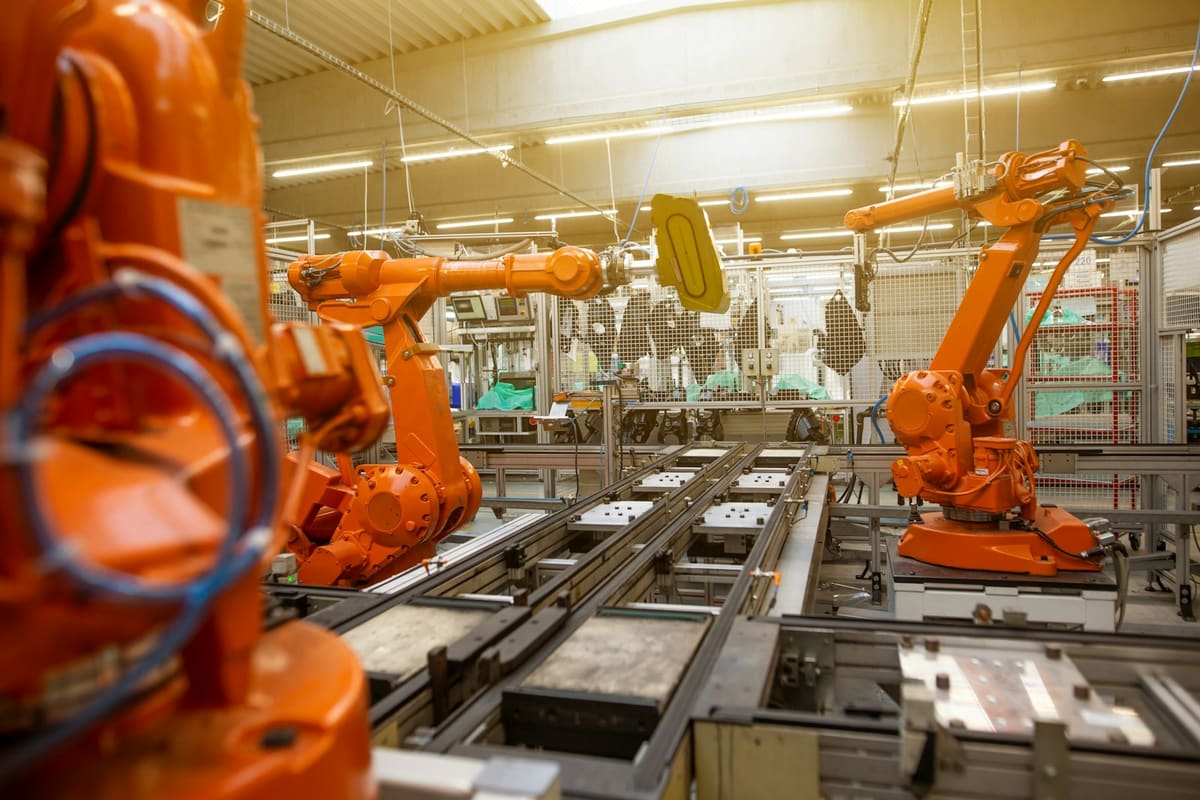
Models that flag a failing motor from its vibration signature used to be enterprise-only. In 2026 they run on low-cost sensors and clear their own cost in a single avoided breakdown during peak season.
What's still hype
Fully "lights-out" factories, AI that runs your business while you sleep, software replacing skilled operators wholesale: not for a mid-sized plant, not this year, and probably not soon. The owners winning with AI in 2026 are the ones pointing it at narrow, measurable jobs rather than magic.
"The AI that made me money wasn't exciting at all. It just stopped me guessing what to build next month."A pump manufacturer, Coimbatore
None of it works until the underlying records are trustworthy, which is the unglamorous part that has to happen before anything clever sits on top. To see what your own machine logs would actually support, talk to our team.